Official narratives of the Middle East have long been hidden behind the concrete walls of patriarchal politics and rigid ideological hardware. Think-tank analysts in the West usually observe this geography through the tinted windows of five-star hotels; they are accustomed to measuring the region's dynamics by oil prices, tank deployments, or centrifuge counts. Yet, a naked, un-retouched reality is unfolding elsewhere. A massive realignment in the geometry of power has begun, propelled by women whose very existence has been taken hostage by totalitarian structures. A glance at the streets of Tehran or the forbidden alleyways of Kabul reveals that the front line of confrontation with dogmatism shifted long ago—moving away from traditional political parties toward a capillary, biologically-driven resistance.
The Heritage of Solidarity: From Shared Roots to Parallel Anguish
One cannot ignore the cultural and historical lineage of the women in this region. What solidifies the bond between the struggles of Iranian and Afghan women today is not merely geographical proximity; it is a profound civilizational intersection in the face of extremism. Historically, the woman of this plateau has never been a marginal figure. Yet, despotic systems—whether coated in religious zeal or justified by tribal traditions—have consistently sought to define her as property, or at best, a second-class citizen. What has occurred in this geography today is not a whimsical rebellion or a simple labor protest; it is an epistemological rupture. The women of this cultural sphere have reached a definitive realization: the chronic miseries of their societies—from structural poverty to political choking—all flow from a single source: the regimes’ radical obsession with owning the female body, mind, and destiny. Consequently, any attempt at superficial reform or tactical concessions by the regimes in Tehran and Kabul is met with a deep, collective smirk. These women are no longer seeking a slice of the totalitarian pie; they are targeting the vessel itself.
The Great Generational Rupture: The Defiance of Teenagers Deaf to the Language of Crackdowns
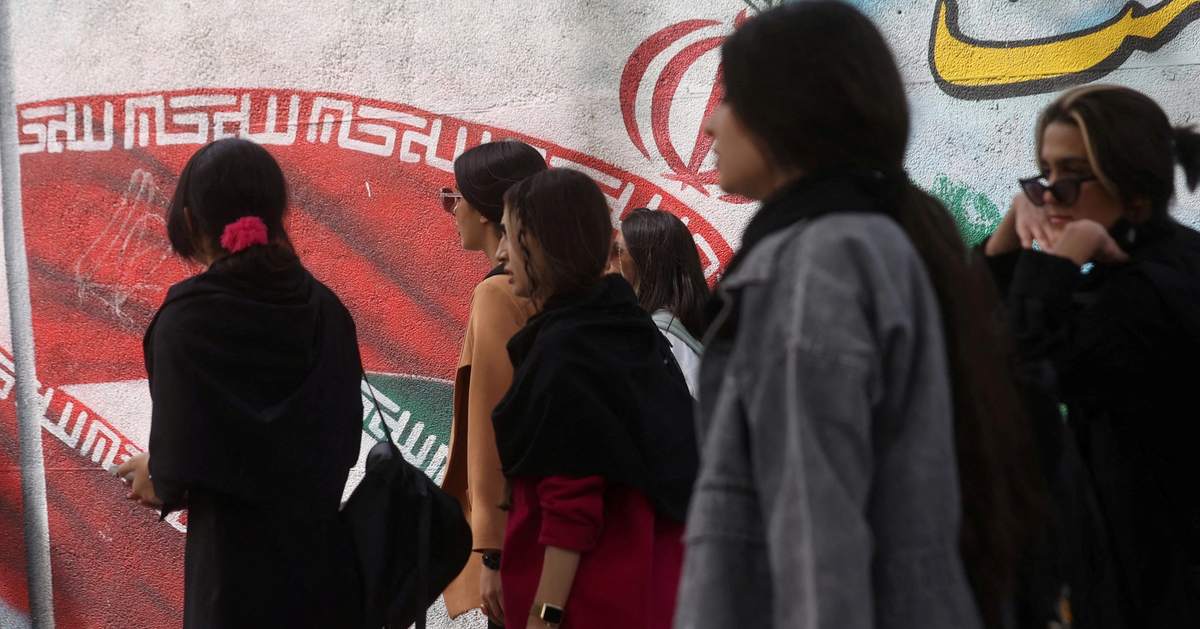
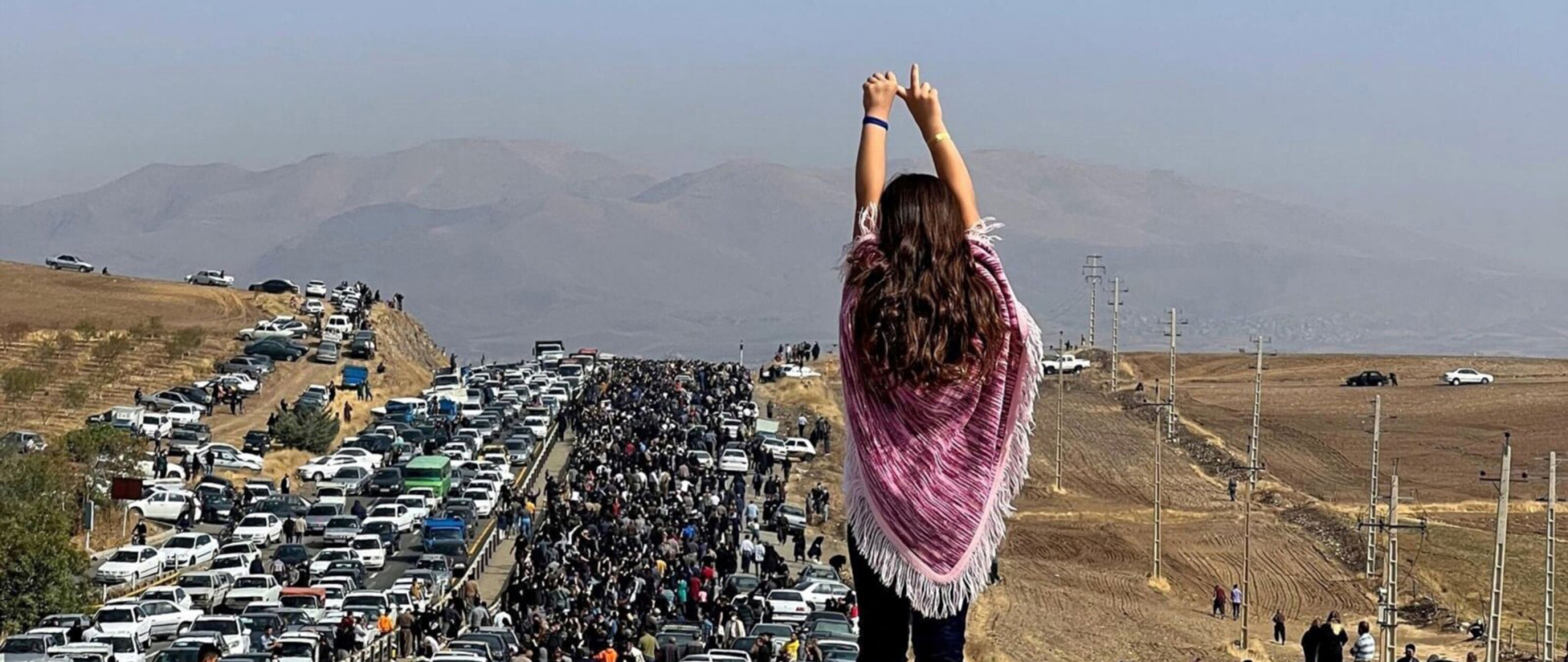
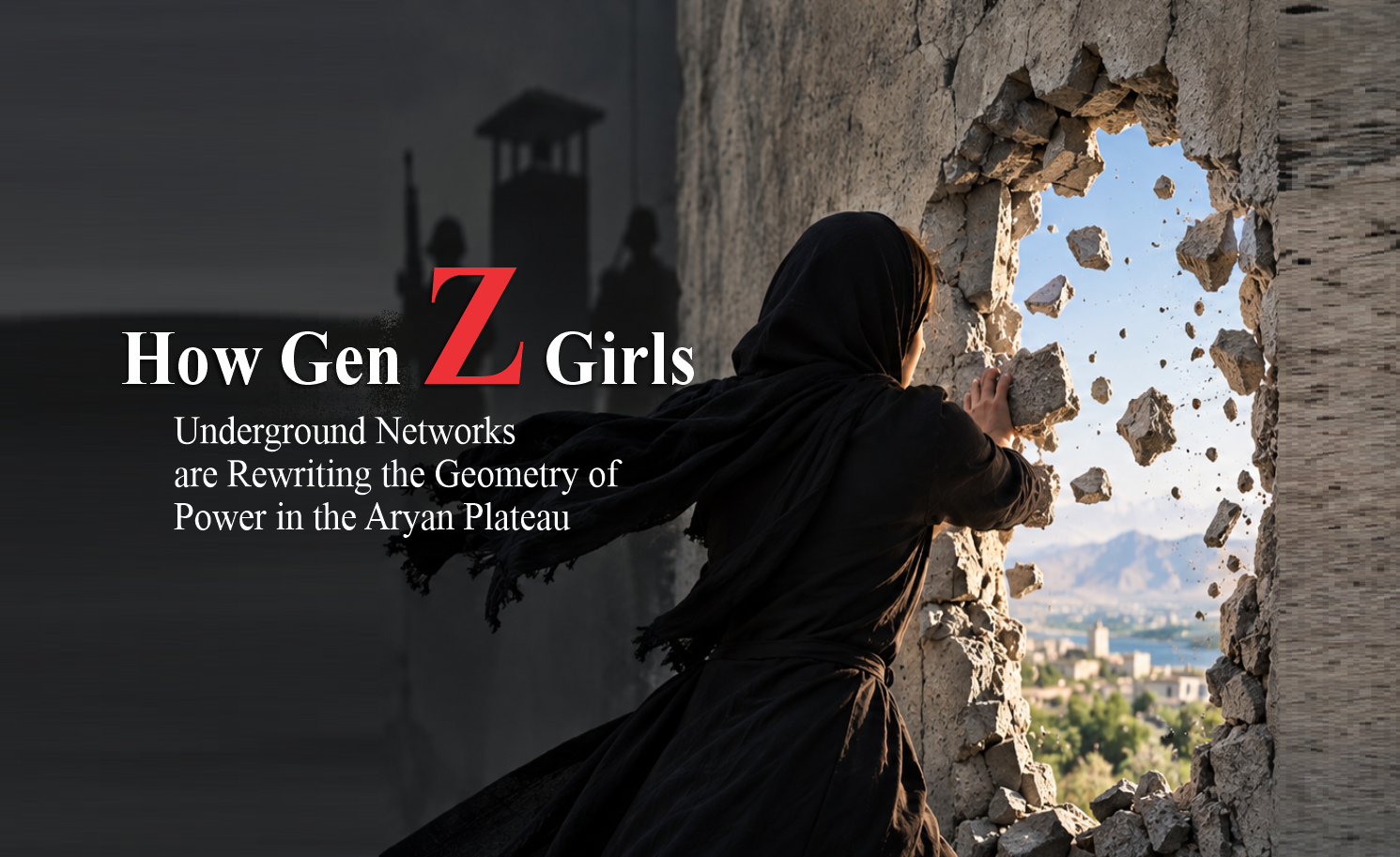
The most striking phenomenon of recent years is the rise of a new, irreverent generation in Iran and Afghanistan that refuses to recognize traditional red lines. These young teenage girls are light-years away from the conservative, hesitant generations before them. They carry neither the political nostalgia of the past nor the deeply sedimented fears of history. In Iran, the new generation (Gen Z) has transformed the streets into a theater of civil disobedience with an unyielding stubbornness. This is a generation wired to global music, breathing in virtual spaces, seeing absolutely no alignment between their lifestyle and the dogmatic laws of the state. In Afghanistan, young girls who tasted the relative freedom and technology of the past two decades refuse to hit a dead end before the towering walls erected by the Taliban. This generational fracture has left regimes facing a paralyzing crisis; the traditional machinery of suppression—which once relied on exploiting parental fear—holds no sway over this fearless, unapologetically demanding youth.
Resistance in the Twilight: The Capillary Life of Underground Networks
The grand mistake of autocrats is mistaking the superficial silence of the streets for societal submission. Beneath the suffocating surface, a powerful, parallel infrastructure is hard at work. In Afghanistan, when the doors of schools and universities were slammed shut in the faces of girls, homes transformed into bastions of education. Underground networks of home-based schools, shielded from the eyes of religious vice inspectors, quietly teach mathematics, literature, and art. These hidden classrooms are far more than educational spaces; they are hubs for practicing defiance and preserving human dignity. In Iran, this struggle has migrated into digital spaces and the covert layers of social media. Digital warfare—ranging from hacking state propaganda to organizing hyper-local, neighborhood-based cells for civil disobedience (such as graffiti and documenting state violence)—has opened a borderless front. This modern, weaponless guerrilla warfare has left security apparatuses exhausted and disoriented; their adversary is no longer a structured organization, but every single smartphone in the hands of a young girl.
Echoes in the Arab World: A Blueprint Crossing Borders
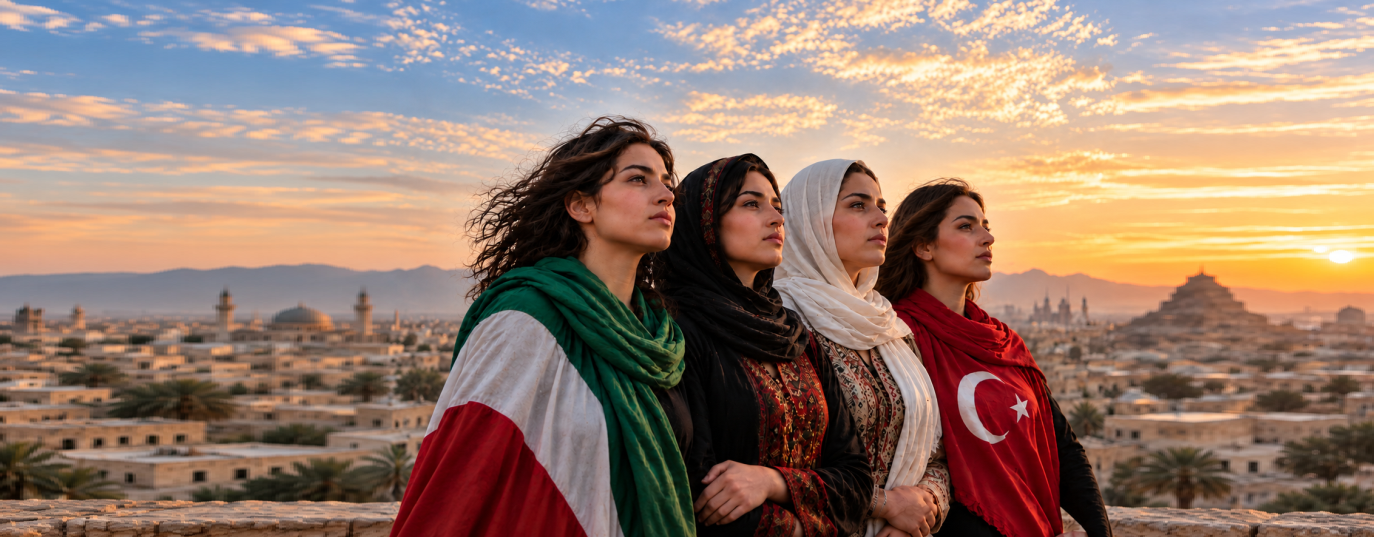
This tsunami of momentum and consciousness was never destined to remain trapped within the walls of the Aryan plateau. Arab societies, themselves entangled in the difficult transitions following the Arab Spring and oscillating between modernity and tradition, are watching these blueprints with microscopic precision. Female activists in Tunisia, Egypt, Iraq, and even the Gulf states draw profound inspiration from the civil resistance models of Iranian and Afghan women. Having engaged for years in a draining battle against discriminatory personal status laws and systemic domestic violence, they now witness how masses can be mobilized without relying on traditional, patriarchal political parties. Watching the fearless defiance of their neighboring sisters has sent an electric shockwave through Arab civil society. They have realized that regime changes or political restructuring without a fundamental overhaul of women's legal rights is nothing but a shell game—swapping one military ruler for another traditional autocrat. This shared realization has forged a new, unspoken vocabulary between Arab and Aryan women that bypasses linguistic differences to chase a singular goal: dismantling political patriarchy.
The Achilles' Heel of Despotism: The Phantom of Irreversibility
The ultimate nightmare for any dictatorial system is a society reaching the point of no return—the precise coordinate where the cost of submission surpasses the cost of struggle and death. The female collective in this part of the Middle East stands exactly at that intersection. A girl in Kabul stripped of her right to read and write, or a woman in Shiraz and Tabriz forced to fight organized state patrols for her basic daily choices, has nothing left to lose. This detachment from the status quo has granted them a courage that is simultaneously explosive and deeply rational. Regimes may rely on tanks, guns, oil revenues, or backroom international complicity to squat atop these embers for a little while longer, but the structures have rotted from within. The termite of consciousness has devoured the pillars of these tents. Regime change in this region is no longer a distant hypothesis relegated to academic journals; it is a biological and social process in full motion, its foundational layers complete. The cradle being rocked today by the exhausted but resolute hands of this geography's women will undoubtedly give birth to a new political world tomorrow—one where history's expired tyrants will find no place to stand.